
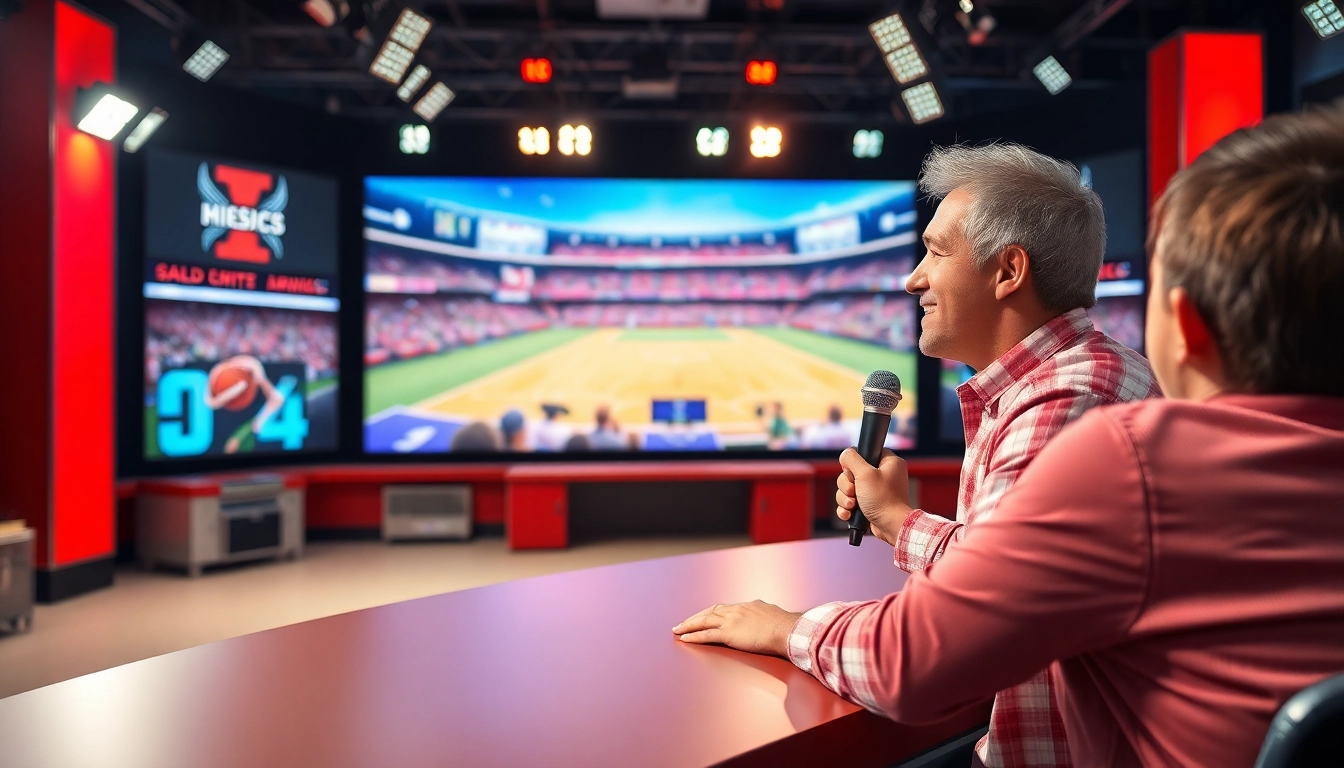
Mastering the World of Sports Broadcasting: Techniques, Trends, and Insights
Introduction to Sports Broadcasting
In today’s multimedia landscape, Sports Broadcasting has evolved significantly, shaping how fans engage with their favorite sports. Whether it’s through traditional television, online streaming, or social media platforms, the essence of sports broadcasting remains the same: delivering live, real-time sports events to audiences worldwide. This article delves into the intricacies of sports broadcasting, exploring its key components, current trends, challenges, and future prospects.
What is Sports Broadcasting?
Sports broadcasting involves the transmission of sports events via television, radio, and digital platforms. This realm extends beyond simply showing the events; it encompasses commentary, analysis, and immersive experiences designed to engage viewers. The objective is to provide a compelling narrative that enhances the viewer’s experience during events, making them feel connected to what’s happening on the field or court.
Importance of Sports Broadcasting
Sports broadcasting plays a crucial role in the sports ecosystem. It not only brings live events to fans but also shapes the culture of sports itself. Broadcasters highlight key moments, provide expert analysis, and create storylines that can enhance the emotional investment of fans. This engagement is significant for sports leagues, teams, and advertisers, all of whom benefit from heightened visibility and sponsorship opportunities.
Overview of Broadcasting Platforms
Broadcasting platforms have diversified dramatically over the years. Initially dominated by television and radio, sports broadcasting now includes a variety of channels such as:
- Television Networks: Traditional broadcasters continue to hold a significant share of the market, offering high-quality coverage and extensive analysis.
- Online Streaming Services: Platforms like DAZN and ESPN+ provide live streams of events, catering to audiences who prefer on-demand viewing.
- Social Media: Platforms like Twitter, Facebook, and Instagram engage fans with highlights, real-time updates, and interactive content.
- Mobile Applications: Many leagues and networks have developed apps that push live updates, commentary, and even behind-the-scenes content directly to fans.
Key Components of Sports Broadcasting
Technical Equipment Needed
The backbone of sports broadcasting lies in the technical equipment employed to capture and transmit live action. Essential components include:
- Cameras: Multiple high-definition cameras capture different angles of the action, ensuring viewers don’t miss any key moments.
- Microphones: Quality audio is paramount. This includes microphones for commentators, ambient sound, and even wireless setups for sideline reporters.
- Trucks and Control Rooms: Mobile production units equipped with editing equipment and communications technology facilitate seamless broadcasts from remote locations.
- Graphics Systems: Real-time graphics displaying scores, statistics, and player profiles add depth to the viewing experience.
Role of Commentators and Analysts
Commentators and analysts are the voices of sports broadcasts. Their role is to provide context, enhance the narrative, and engage viewers. Effective commentators have strong communication skills, a deep understanding of the sport, and the ability to think on their feet. Analysts, on the other hand, dissect plays, provide statistics, and explore tactical elements, offering viewers enhanced insights that enrich their understanding of the game.
Understanding Live Broadcast Formats
Live broadcasts can take various formats, each tailored to specific viewer preferences and event types. Common formats include:
- Play-by-Play: A continuous commentary of the event, providing immediate reactions and updates.
- Color Commentary: Supplemental commentary that adds personal insights and expertise, often filled with anecdotes and analysis.
- Post-game Analysis: Reflective segments aired after events that summarize plays and discuss outcomes, often featuring guest analysts.
- Interactive Broadcasts: Formats that include viewer participation through social media or polls, creating a two-way dialogue between broadcasters and fans.
Trends Shaping Sports Broadcasting Today
Emergence of Streaming Services
The emergence of streaming services has revolutionized the sports broadcasting landscape. Platforms such as Hulu Live, YouTube TV, and specific sports-focused apps have redefined how audiences consume content. Viewers can now access live games on mobile devices, allowing flexibility and convenience. This shift not only caters to a younger demographic but also challenges traditional broadcasting models to adapt to changing consumer preferences.
Growing Influence of Social Media
Social media is a powerful tool in sports broadcasting, enabling real-time interaction and engagement. Every major event has a corresponding social media conversation that enhances live coverage. From behind-the-scenes clips to instant replays shared on Twitter to engaging memes on Instagram, social media platforms amplify the broadcasting experience, providing rich layers while transforming how sports narratives are told.
Innovations in Viewer Engagement
Innovations in technology and interactive content have led to new viewer engagement strategies. Examples include:
- Augmented Reality: Utilizing AR to provide immersive experiences such as virtual player stats overlaying live footage.
- Fan Polls: Real-time polls during broadcasts that allow viewers to weigh in on gameplay or predict outcomes.
- 360-Degree Cameras: Offering viewers the ability to choose their viewing angle for more personalized experiences.
Challenges in Sports Broadcasting
Managing Live Event Coverage
Covering live events comes with a set of unique challenges. Timing is crucial, and broadcasters must maintain a balance between airing the action and providing insightful commentary. Additionally, unexpected events, such as weather disruptions or technical failures, require quick thinking and adaptability from production teams to ensure a seamless experience.
Adapting to Audience Preferences
As audience preferences evolve, broadcasters need to adapt quickly to stay relevant. This includes understanding shifts in viewing habits—such as the growing preference for highlights over full games—and developing content that appeals to diverse demographic groups. Engaging younger audiences, in particular, requires innovation and creativity in delivery methods.
Legal and Ethical Considerations
Broadcasting sports involves navigating a complex landscape of legalities, including copyright issues and broadcasting rights. Broadcasters must also consider ethical dimensions, such as the portrayal of players and ensuring that coverage is fair and balanced. Maintaining transparency and adhering to regulations is vital to establish trust with audiences and leagues alike.
Future of Sports Broadcasting
Predictions for Industry Evolution
The future of sports broadcasting is likely to become even more data-driven, with an emphasis on personalized viewing experiences. As technology continues to advance, we can expect innovations in how games are presented, integrating more data and analytics directly into broadcasts to enhance viewer understanding and engagement.
Role of Technology in Transformation
Technology will play a pivotal role in transforming sports broadcasting. Innovations in artificial intelligence and machine learning could lead to more sophisticated analytics and tailored content delivery. Additionally, advancements in access technologies may allow fans to enjoy enhanced experiences through VR and immersive broadcasts in their homes or at venues.
Preparing for the Next Generation of Viewers
Broadcasting professionals must prepare for a new generation of viewers whose consumption habits differ from older audiences. This calls for fresh approaches in production, content creation, and distribution strategies, focusing on mobile-first strategies and interactive experiences that resonate with younger demographics. Understanding cultural trends and integrating them into broadcasts will be essential for sustained relevance.
Frequently Asked Questions
What skills are essential for a sports broadcaster?
Essential skills include strong communication, analytical thinking, quick decision-making, and a solid understanding of sports rules and strategies.
How has technology impacted sports broadcasting?
Technology has revolutionized sports broadcasting through enhanced graphics, real-time statistics, and interactive viewing features that engage audiences.
What are the primary platforms for sports broadcasting?
Major platforms include television networks, online streaming services, and social media, each offering unique viewing experiences for audiences.
What challenges do sports broadcasters face?
Broadcasters face challenges such as maintaining viewer interest, adapting to new technologies, and navigating legal restrictions related to broadcasting rights.
How can I get started in sports broadcasting?
Begin by gaining experience through internships, joining college programs focused on media and communication, and networking with industry professionals.
