A Practical Wärmepumpe Kaufen Framework for Effective Home Heating
Understanding Wärmepumpe Kaufen: Basics and Benefits
The decision to invest in a Wärmepumpe (heat pump) can significantly transform how homeowners approach heating and cooling their spaces. As global concern for energy efficiency and sustainability grows, understanding the intricacies of these systems becomes increasingly vital. In this article, we will delve into what a Wärmepumpe is, its advantages, and common misconceptions surrounding these innovative heating solutions. When exploring options, wärmepumpe kaufen can provide comprehensive insights to help you navigate this significant investment.
What is a Wärmepumpe?
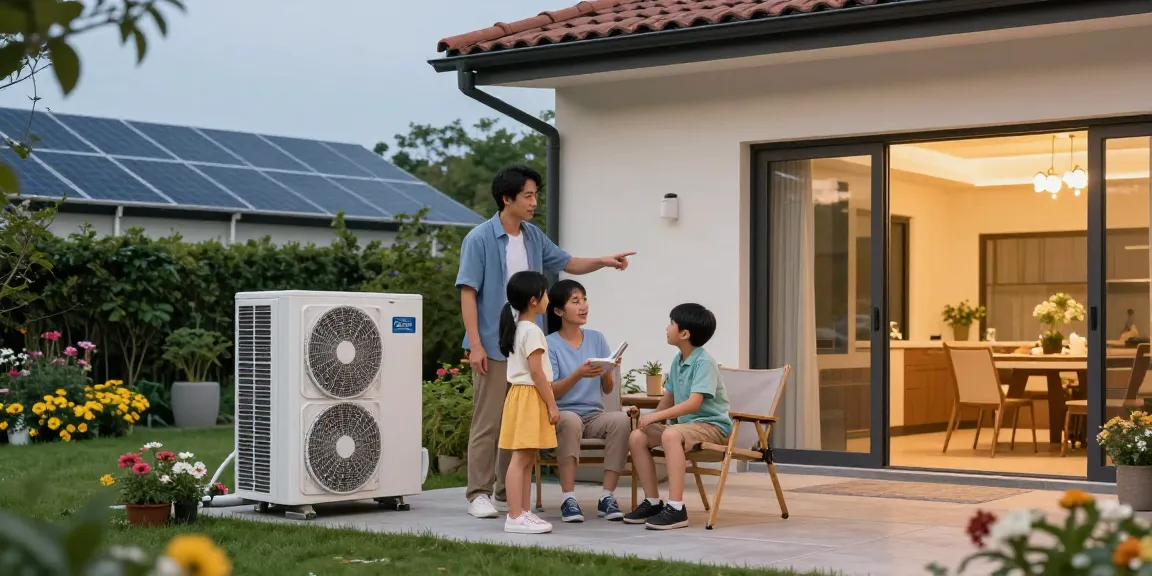
A Wärmepumpe is a device that transfers heat from one place to another, typically used for heating buildings during colder months and providing cool air during warmer seasons. There are several types of Wärmepumpen, including air-to-water, ground-source, and water-source pumps, each differing in their methods of heat extraction and efficiency levels. The core principle of a Wärmepumpe involves utilizing a refrigerant that absorbs heat from the environment and releases it in a different location, making it a highly efficient option compared to traditional heating systems.
Advantages of Buying a Wärmepumpe
- Energy Efficiency: Wärmepumpen are known for their high efficiency ratings, which can result in significant energy savings over time. They often consume less electricity compared to electric heaters.
- Environmental Impact: By utilizing renewable energy sources and reducing reliance on fossil fuels, Wärmepumpen contribute to lower carbon footprints.
- Cost-Effectiveness: Although the initial investment may be higher than traditional heating systems, the long-term savings in energy bills, coupled with potential government incentives, often make them a more economical choice.
- Versatility: Many Wärmepumpen can provide both heating and cooling solutions, adding to their value as a year-round climate control system.
Common Myths about Wärmepumpen
Despite their many advantages, several myths exist regarding Wärmepumpen that can deter potential buyers. One prevalent misconception is that Wärmepumpen only work effectively in warmer climates. In reality, modern heat pumps have been engineered to perform efficiently even in colder temperatures. Additionally, some believe they are too noisy; however, advancements in technology have significantly reduced operational noise levels, making them suitable for residential areas.
Types of Wärmepumpen Available in 2026
Air-to-Water vs. Ground Source Wärmepumpen
Wärmepumpen can be broadly categorized into two primary types: air-to-water and ground-source. Air-to-water Wärmepumpen extract heat from the air outside and transfer it to a water system for heating purposes. They are popular for their straightforward installation and lower upfront costs. Ground-source Wärmepumpen, on the other hand, utilize the stable temperatures found in the earth below the ground. Although they require more extensive installation work, they generally offer higher efficiency rates due to more consistent temperature conditions.
Choosing the Right Size and Capacity
When selecting a Wärmepumpe, it’s crucial to assess the appropriate size and capacity for your specific needs. Systems that are too small may struggle to maintain comfortable temperatures, while oversized units can lead to inefficiency and excessive energy consumption. Factors such as your home’s square footage, insulation quality, and local climate conditions should be considered when determining the right size.
Innovative Technologies in Modern Wärmepumpen
The technological landscape of Wärmepumpen has evolved significantly, integrating advanced features such as Wi-Fi connectivity for remote operation, variable-speed compressors for enhanced efficiency, and improved refrigerants with lower environmental impact. Such innovations not only boost performance but also align with increased regulatory pressures for greener solutions.
Cost Considerations When You Buy a Wärmepumpe
Initial Investment: What to Expect
The cost of a Wärmepumpe system varies based on factors such as type, size, and installation complexity. On average, homeowners can expect to invest between €15,000 and €25,000 for a fully installed system. It’s essential to obtain multiple quotes from qualified installers and consider the scope of work involved to get a clearer picture of your financial commitment.
Long-Term Savings: Energy Efficiency Insights
One of the most compelling reasons to invest in a Wärmepumpe is its potential for long-term savings. These systems often boast a high coefficient of performance (COP), meaning they produce more energy than they consume. This can lead to substantial savings on heating bills, even in comparison to traditional gas or electric heating systems.
Financial Incentives and Government Subsidies
Many governments offer financial incentives and rebates for homeowners who choose to install Wärmepumpen, making the initial investment more manageable. These programs are designed to encourage sustainable practices and can significantly offset the costs associated with installation. It’s advisable to check with local authorities or energy providers for available incentives.
Installation Process for Your Wärmepumpe
Pre-Installation Preparations: What to Know
Before installing a Wärmepumpe, several preparations are essential. Conduct an energy audit of your home to assess its heating needs and determine the most suitable type of Wärmepumpe. Additionally, ensure your home’s infrastructure can support the installation, including space for indoor and outdoor units.
Finding a Qualified Installer
Choosing the right installer is critical for the successful operation of your Wärmepumpe. Look for certified professionals with experience in installing the specific type of Wärmepumpe you are considering. Reading reviews and asking for recommendations can also assist in finding reputable contractors.
Post-Installation Maintenance Tips
Regular maintenance is vital to ensure your Wärmepumpe operates efficiently throughout its lifespan. Homeowners should schedule annual inspections, clean or replace filters regularly, and check for any potential leaks. Familiarizing yourself with the operational manual also helps in keeping the system in optimal condition.
Future Trends in Wärmepump Technology
Emerging Features to Watch in Wärmepumpen
As technology continues to advance, future Wärmepumpen are expected to incorporate features such as integrated smart home compatibility, enhanced AI algorithms for optimizing performance, and higher eco-efficiency ratings. Such innovations will contribute to a more seamless user experience and improved sustainability outcomes.
Impact of Eco-Friendly Policies on Wärmepump Buying Trends
The increasing emphasis on eco-friendly policies is shaping consumer preference towards Wärmepumpen. As governments implement stricter regulations to reduce greenhouse gas emissions, more homeowners are turning to these renewable energy systems as a viable alternative to traditional heating sources.
How Wärmepumpen will Evolve by 2030
By 2030, Wärmepumpen are projected to become even more efficient, user-friendly, and environmentally friendly. Enhanced research into materials and technologies will likely lead to a new generation of Wärmepumpen that maximizes efficiency while minimizing environmental impact, aligning with the global shift towards sustainable living.
What are the advantages of purchasing a Wärmepumpe?
Purchasing a Wärmepumpe offers numerous benefits, including energy efficiency, reduced environmental impact, versatility in heating and cooling, and long-term cost savings. These advantages make them an increasingly popular choice among homeowners looking to upgrade their heating solutions.
What should you consider before buying a Wärmepumpe?
Before buying a Wärmepumpe, you should evaluate your home’s heating needs, budget for installation and maintenance, and the availability of financial incentives. The choice between different types of Wärmepumpen and the experience of the installer also play crucial roles in the decision-making process.
How does a Wärmepumpe work?
A Wärmepumpe works by extracting heat from the outside environment (air, ground, or water) and transferring it inside for heating. The process involves a refrigeration cycle where a refrigerant absorbs heat and releases it through a compressor and heat exchanger system, providing efficient heating or cooling.
Can I install a Wärmepumpe myself?
While some homeowners may consider DIY installation, it is advisable to employ qualified professionals for Wärmepumpe installation. Expert installers ensure compliance with local regulations and guarantee the system operates efficiently, thereby maximizing your investment.
What is the expected lifespan of a Wärmepumpe?
Wärmepumpen generally have a lifespan of 15 to 20 years, depending on usage, maintenance, and installation quality. Regular maintenance can extend the life of your system, ensuring continued efficiency and optimal performance.